

- Story
Seeing the Namibian savanna with new eyes
03.11.2026 Soline Fleury spent several months in Ghaub Nature Reserve and Farm in Namibia working on her Bachelor Thesis. Her project work helped her appreciate the breathtaking beauty of the Nambian wildlife, but also to see how they can exert pressure on a limited-resource landscape.
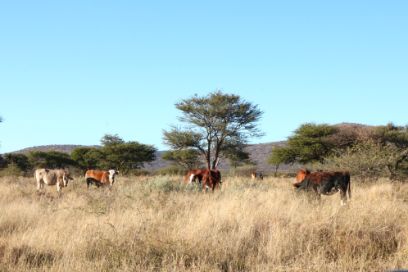
Kudu, nyala, dik-dik, duiker, springbok, waterbuck, impala, oryx… These might sound strange words, but they are the names of some of the wild animals sharing the pastures with cattle here in Namibia. As part of my Bachelor Thesis in International Agriculture at BFH-HAFL, I am studying how cattle and wildlife share the grazing areas and how grazing management can support vegetation recovery in this semi-arid savanna ecosystem.
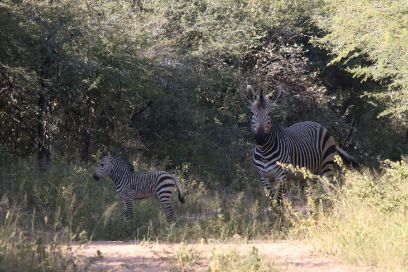
Let me tell you about my first walk in the reserve. I spent almost an hour walking with my camera without seeing a single animal, despite tracks everywhere. Suddenly, I spotted a baby zebra, followed by two adults. They were beautiful, and I stayed to watch them before they disappeared into the bush.
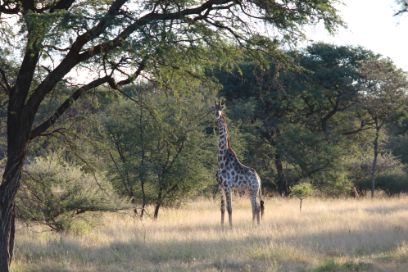
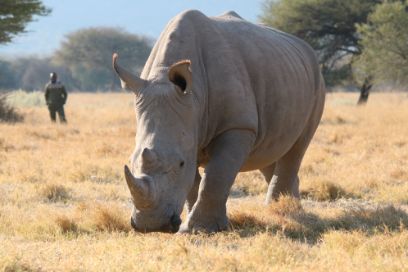
On my way back, I heard heavy footsteps and turned around to find a giraffe walking towards me. Wow! I was amazed by its size and strength! A few minutes later, three more giraffes appeared just 50 metres behind me. My first encounter with a white rhino was just as impressive: hearing its deep breathing from close by was both fascinating and intimidating.
Wildlife also means challenges
From the very beginning of my internship, I’ve felt very lucky to be able to work in an environment with so many wild animals and such beautiful natural landscapes but my perspective on wildlife has also changed. Although these animals are beautiful and impressive, they also represent a major challenge for farm management. Zebras, for example, graze grass very short, and large populations can put strong pressure on grassland. Giraffes can also have a strong impact on woody vegetation when browsing pressure is high.
This made me realise how important the amount of available forage is in such a dry environment. When rain is concentrated in only a few months of the year and the rest of the year is dry, the amount of vegetation consumed by all the herbivores sharing the same land becomes an important management question.
Sharing land is the heart of my research. Cattle can be managed with fences and planned grazing periods, allowing farmers to control where and when they graze and to allow the vegetation sufficient time to recover between grazing periods. Wildlife, however, moves freely and does not follow these schedules.
Testing temporary exclusion methods
My research here at Ghaub Farm aims to test different measures to temporarily exclude game from grazing areas while the vegetation regenerates. The goal is to co-develop with farmers who manage both livestock and game strategies to prevent overgrazing and develop a management approach that considers the needs of both. This approach, known as co-grazing management, aims to maintain pasture quality in the long term, reduce pressure on vegetation and ultimately support more sustainable and resilient farm incomes.
Discovering Namibian agriculture and wildlife with new eyes
Working here is very different from farming in Switzerland. Water is even more scarce than in Switzerland, making irrigation is essential for crop production. The long dry season strongly influences farm management. At Ghaub, I am also discovering the many sides of daily farm life, from cattle management and the on-site butchery to working in the vegetable garden. I’m also learning about the challenges involved in conserving rhinos, which are under threat from poaching; that’s why the reserve employs rangers 24/7 to monitor the reserve.
This internship has taught me many things. My greatest learning has been that, depending on your perspective, the same animal can look very different. As a visitor, I see incredible wildlife. As an agricultural scientist, I am learning to also look at the impact the same animal can have on vegetation, water, grazing pressure and management decisions.
Find out more
Category: International


